Introduction
As bathroom technology continues to evolve in 2026, mirrors are no longer just reflective surfaces—they have become smart, multifunctional devices. Among the most popular options today are Android mirrors and normal LED mirrors. While both offer modern lighting and sleek designs, they serve very different purposes. Understanding the difference between these two types of mirrors is essential for choosing the right one for your home, especially if you are deciding between simplicity and advanced functionality.
What Is a Normal LED Mirror?
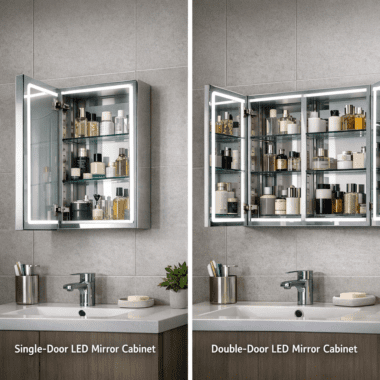
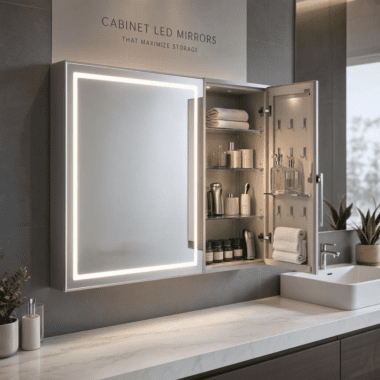
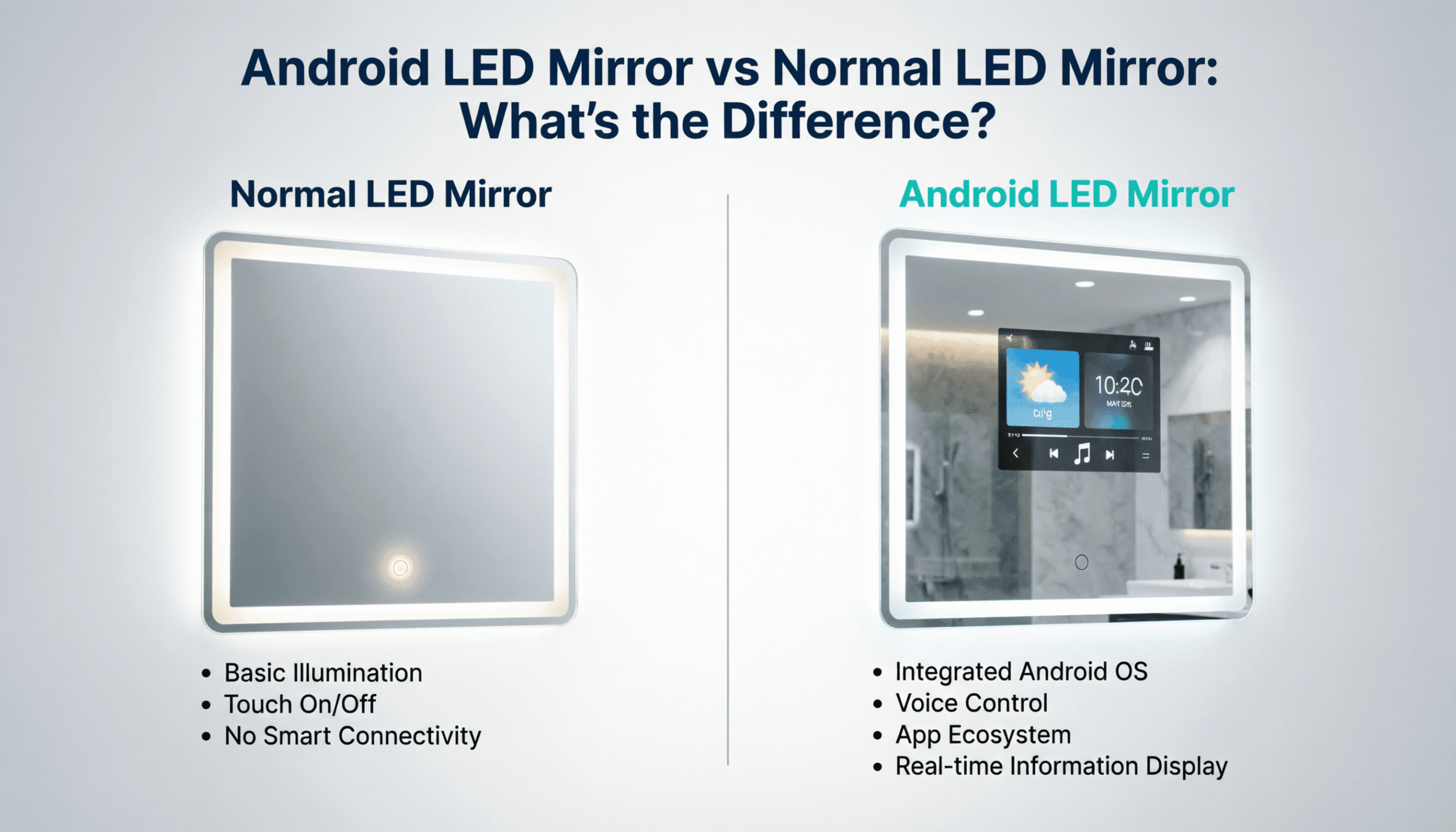
A normal LED mirror is designed primarily to enhance lighting and visibility. It features built-in LED lights that provide even illumination, making it ideal for tasks such as grooming, shaving, and makeup application. These mirrors often include useful features like touch controls, dimmable lighting, and anti-fog technology. Their main focus is on practicality and aesthetics, offering a clean and modern look while improving everyday usability. For most homeowners, LED mirrors strike a perfect balance between functionality and affordability.
What Is an Android Mirror?
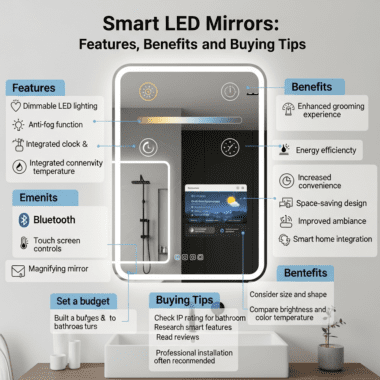
An Android mirror takes things a step further by integrating a full Android operating system behind the reflective surface. This allows the mirror to function like a smart device, capable of running apps, streaming content, and connecting to the internet. In addition to LED lighting, Android mirrors often include touchscreens, voice control, Bluetooth connectivity, and access to apps like YouTube, music platforms, and weather updates. Essentially, they combine the features of a mirror with those of a tablet or smart display, creating a highly interactive experience.
Key Differences in Functionality
The biggest difference between Android mirrors and normal LED mirrors lies in their functionality. LED mirrors focus on providing high-quality lighting and basic convenience features, making them straightforward and easy to use. Android mirrors, on the other hand, offer a wide range of smart capabilities, turning the mirror into a multifunctional hub. While LED mirrors enhance your daily routine by improving visibility, Android mirrors aim to transform the entire experience by adding entertainment, connectivity, and smart controls.
User Experience and Practical Use
When it comes to everyday use, the choice between the two depends on your lifestyle. A normal LED mirror is ideal for those who prefer simplicity and reliability, as it delivers consistent performance without the need for additional setup or maintenance. Android mirrors are better suited for tech-savvy users who enjoy multitasking and integrating smart devices into their routines. Being able to check the weather, play music, or watch videos while getting ready can make daily activities more engaging, but it may also be more than what some users need.
Design and Aesthetic Differences
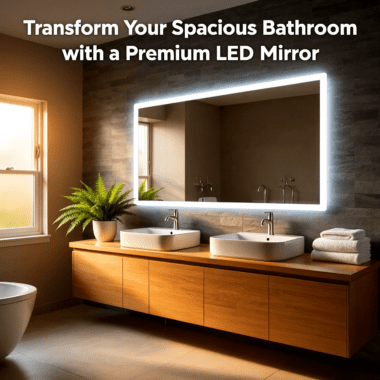
Both Android mirrors and LED mirrors are designed to complement modern interiors, but their designs can differ slightly. LED mirrors often have a minimalist and clean appearance, focusing on sleek lines and subtle lighting. Android mirrors maintain a similar look but include a hidden display that becomes visible when activated. This adds a futuristic element to the design, making them stand out as a high-tech feature in the bathroom. Despite these differences, both types can enhance the overall aesthetic of the space.
Cost and Value Considerations
Cost is another important factor when comparing these mirrors. Normal LED mirrors are generally more affordable, making them accessible to a wider range of homeowners. Android mirrors, with their advanced technology and additional features, come at a higher price point. While they offer more functionality, the added cost may not be justified for everyone. It is important to consider whether the extra features align with your needs and lifestyle before making a decision.
Maintenance and Durability
LED mirrors are typically low-maintenance and built for long-term use, with fewer components that could potentially fail. Android mirrors, due to their electronic and software components, may require more maintenance and occasional updates. While they are designed to be durable, the added complexity means there is a higher chance of technical issues over time. This is an important consideration for those who prefer a simple and hassle-free solution.
Conclusion
The choice between an Android mirror and a normal LED mirror ultimately comes down to your priorities. If you are looking for a practical, reliable, and cost-effective solution, a standard LED mirror is an excellent choice. However, if you want a more advanced and interactive experience that integrates technology into your daily routine, an Android mirror can be a worthwhile investment. In 2026, both options offer unique benefits, and understanding their differences will help you select the mirror that best suits your lifestyle and preferences.