Introduction
Choosing the right LED mirror for your bathroom or living space is not just about functionality—it is also about style and how well the mirror complements your interior design. In 2026, one of the most common debates among homeowners and designers is whether frameless or framed LED mirrors look better. Both options offer unique visual appeal and practical advantages, but the right choice depends on your personal taste, space, and overall design goals. Understanding the differences between these two styles can help you create a space that feels cohesive, modern, and visually appealing.
The Appeal of Frameless LED Mirrors
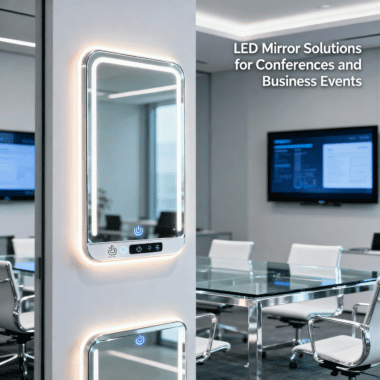
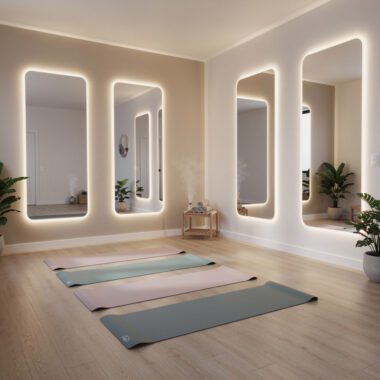
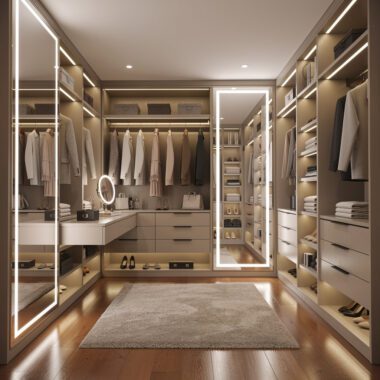
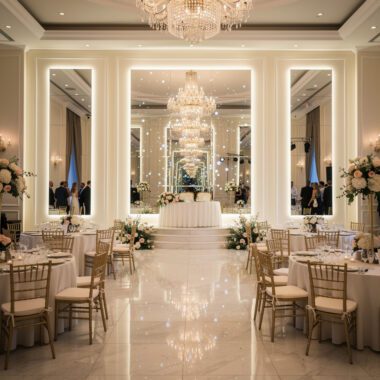
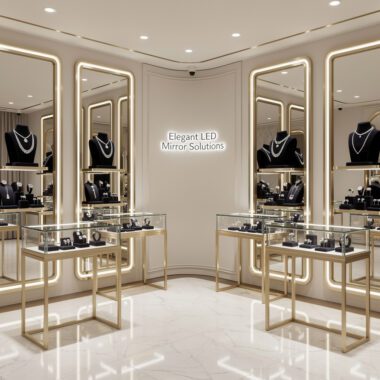
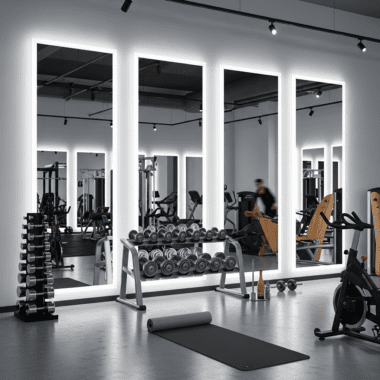
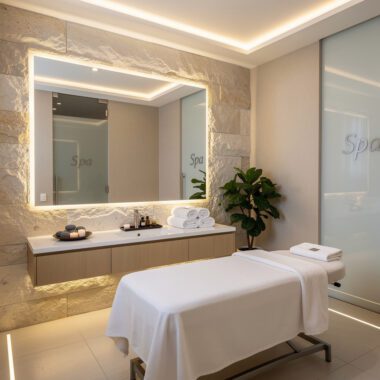
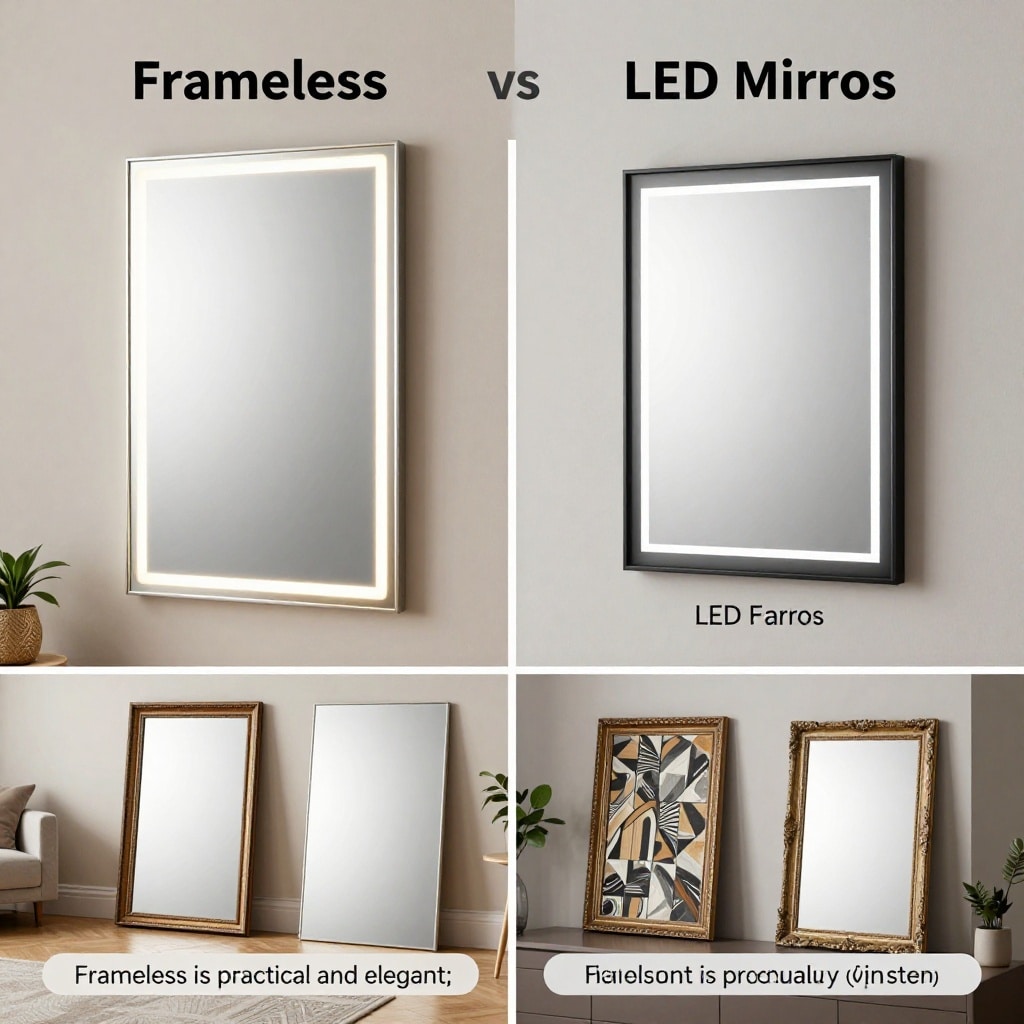
Frameless LED mirrors are widely favored for their sleek and minimalist design. Without a visible border, these mirrors create a clean and seamless look that blends effortlessly into modern interiors. The absence of a frame allows the integrated LED lighting to stand out, often producing a soft glow around the edges or behind the mirror. This design not only enhances the aesthetic but also helps create a sense of openness, making it an excellent choice for smaller bathrooms or spaces where you want to maximize light and visual space. Frameless mirrors are particularly popular in contemporary and minimalist designs, where simplicity and elegance are key.
The Charm of Framed LED Mirrors
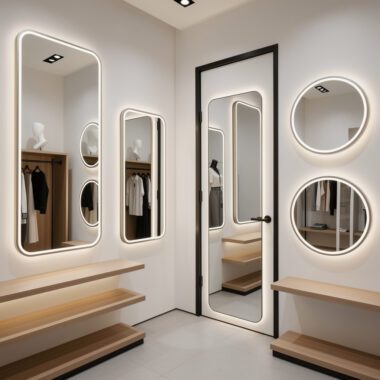
Framed LED mirrors, on the other hand, bring a more defined and decorative element to a space. The frame adds structure and character, allowing the mirror to act as a focal point within the room. Available in a variety of materials such as metal, wood, or composite finishes, framed mirrors can complement different interior styles, from modern to traditional. The frame can also provide a sense of contrast, highlighting the mirror and adding depth to the design. For those who want to incorporate a touch of personality or match specific décor elements, framed LED mirrors offer greater versatility in terms of style and customization.
Which Looks Better in Modern Bathrooms?
In modern bathrooms, frameless LED mirrors are often considered the more popular choice due to their clean and contemporary appearance. They align well with current design trends that emphasize minimalism and simplicity. However, framed LED mirrors can also look stunning in modern spaces when chosen carefully, especially if the frame design complements other elements in the room. The decision ultimately comes down to whether you prefer a subtle, understated look or a more defined and decorative style.
Impact on Space and Lighting
Both frameless and framed LED mirrors influence how light interacts with a space, but in different ways. Frameless mirrors tend to enhance the feeling of openness by reflecting light more freely and blending into the background. This makes them ideal for smaller or darker rooms. Framed mirrors, while still reflective, create a more structured look that can add depth and dimension. The frame itself can also affect how the light is perceived, either softening or emphasizing the illumination depending on its design and color.
Matching Your Interior Style
When deciding between frameless and framed LED mirrors, it is important to consider the overall style of your home. Frameless mirrors work best in minimalist, contemporary, and modern settings, where clean lines and simplicity are emphasized. Framed mirrors, however, are more versatile and can complement a wider range of styles, including industrial, rustic, and classic interiors. By aligning the mirror design with your existing décor, you can create a cohesive and harmonious look that enhances the overall aesthetic of your space.
Practical Considerations Beyond Looks
While appearance is a key factor, practical considerations should not be overlooked. Frameless mirrors are often easier to clean due to the absence of edges where dust and moisture can accumulate. Framed mirrors, depending on the material, may require additional maintenance to keep the frame in good condition. Durability, installation, and budget are also important factors to consider, as they can influence your final decision.
Conclusion
The choice between frameless and framed LED mirrors ultimately comes down to personal preference and the specific needs of your space. Frameless mirrors offer a sleek, modern look that enhances openness and simplicity, while framed mirrors provide character, structure, and versatility. In 2026, both styles remain popular, each catering to different design preferences and functional requirements. By understanding their unique qualities, you can select a mirror that not only looks great but also complements your home perfectly.