Introduction
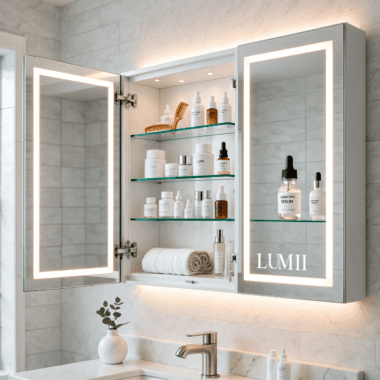
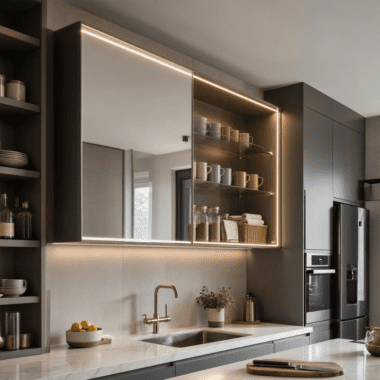
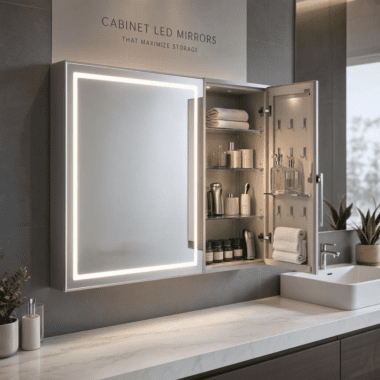
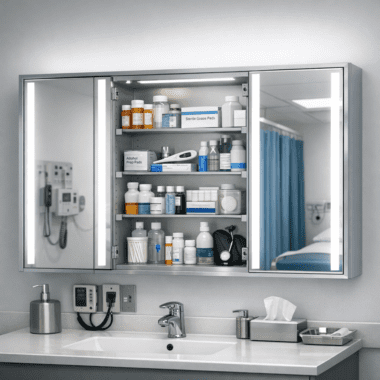
Science museums are places where curiosity, innovation, and education come together to inspire visitors of all ages. From interactive exhibits and space exploration displays to robotics, physics demonstrations, and environmental science galleries, modern science museums are designed to make learning engaging and memorable. Interior design plays a crucial role in supporting these educational experiences by creating bright, welcoming, and visually appealing spaces. Alongside digital displays, immersive installations, and advanced lighting systems, LED mirrors have become a valuable addition to contemporary science museums. Combining elegant design, energy-efficient technology, and versatile functionality, LED mirrors enhance exhibits, improve visitor engagement, and contribute to modern museum environments.
The Importance of Interior Design in Science Museums
A science museum should encourage exploration and discovery while providing a comfortable environment for visitors. Thoughtfully designed galleries, balanced lighting, interactive displays, and clear wayfinding help visitors navigate exhibits and fully appreciate scientific concepts. LED mirrors complement these design elements by adding brightness, creating visual depth, and enhancing the overall atmosphere without distracting from the educational content.
Creating an Inspiring Entrance
The entrance is the first opportunity to spark curiosity and excitement. An LED mirror installed in the museum lobby or reception area creates a bright and modern welcome while reflecting architectural features and natural light. Its elegant appearance immediately conveys innovation and encourages visitors to begin their educational journey.
Enhancing Interactive Exhibits
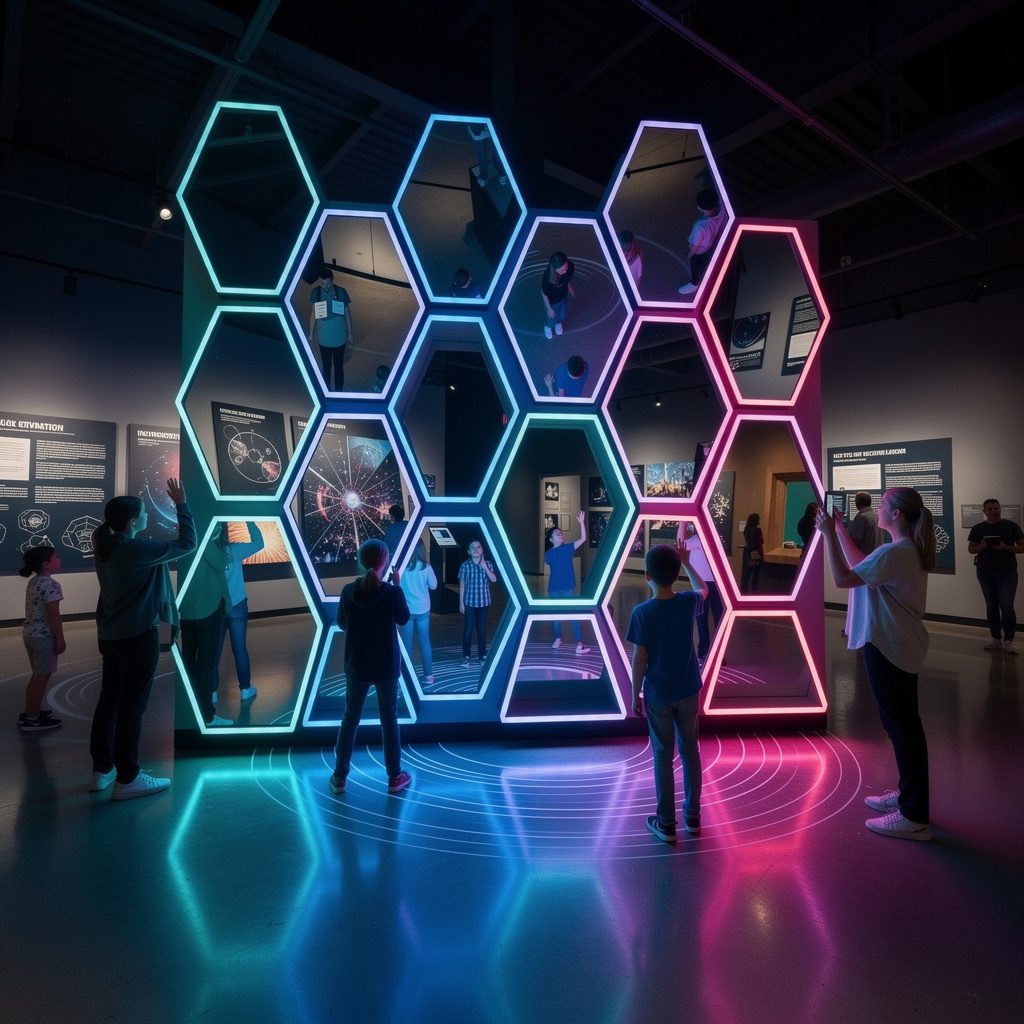
Science museums often feature hands-on exhibits that encourage visitors to experiment, observe, and learn through interaction. LED mirrors can be integrated into these displays to create engaging visual effects, demonstrate scientific principles such as reflection and symmetry, or enhance immersive installations. Their modern lighting adds another dimension to interactive experiences while maintaining a clean and professional appearance.
Improving Exhibit Visibility
Proper lighting is essential for displaying scientific models, prototypes, fossils, laboratory equipment, and educational graphics. LED mirrors reflect natural and artificial light throughout exhibition spaces, improving visibility without creating harsh shadows. This balanced illumination helps visitors clearly observe intricate details and better understand the exhibits on display.
Creating the Illusion of Larger Galleries
Science museums often accommodate large numbers of visitors, especially during weekends, school trips, and special exhibitions. LED mirrors create the illusion of more spacious galleries by reflecting surrounding displays and architectural features. This visual expansion makes exhibition areas feel more open and comfortable while improving the overall visitor experience.
Complementing Contemporary Museum Architecture
Modern science museums frequently feature glass walls, open ceilings, metal structures, interactive technology, and minimalist interiors. LED mirrors integrate seamlessly into these architectural styles with their sleek design and elegant illumination. They enhance the museum’s contemporary aesthetic while maintaining focus on the educational exhibits.
Supporting Educational Demonstrations
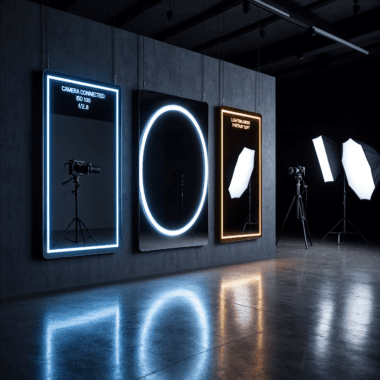
Many museums host live science demonstrations, workshops, and educational presentations. LED mirrors can enhance these learning spaces by improving lighting and creating brighter environments where instructors can clearly demonstrate experiments and scientific concepts. Visitors benefit from improved visibility during interactive sessions and educational programs.
Enhancing Visitor Engagement
Today’s museum visitors seek immersive experiences that combine education with entertainment. LED mirrors contribute to engaging environments by creating visually appealing feature walls, interactive reflection zones, and creative display areas. These installations encourage exploration while making science more accessible and enjoyable for audiences of all ages.
Creating Social Media-Friendly Spaces
Science museums increasingly design exhibits that encourage visitors to share their experiences online. LED mirrors create attractive backgrounds for photographs and videos, helping guests capture memorable moments while promoting the museum through social media. These visually striking spaces increase online visibility and attract new visitors.
Strengthening Museum Branding
Every science museum has a unique mission to educate, inspire, and promote scientific discovery. LED mirrors support this identity by enhancing entrances, reception areas, exhibition halls, and branded feature walls. Their modern appearance reflects innovation and reinforces the museum’s commitment to delivering world-class educational experiences.
Energy Efficiency and Sustainable Operations
Many science museums promote environmental awareness and sustainable technologies. LED mirrors align perfectly with these values by consuming less electricity than traditional lighting systems while providing bright and reliable illumination. Their long operational lifespan and low maintenance requirements also reduce energy consumption and operational costs, supporting environmentally responsible museum management.
Supporting Future Museum Innovation
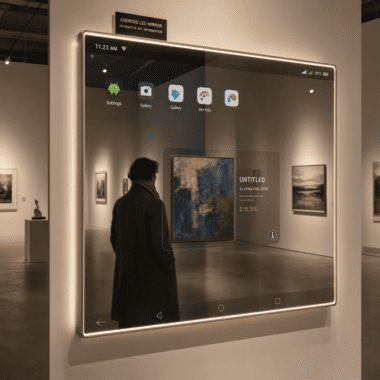
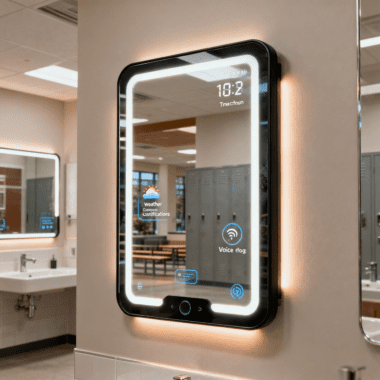
Science museums continue to adopt immersive technologies such as augmented reality, virtual reality, interactive touchscreens, and digital exhibitions. LED mirrors complement these innovations by adding stylish lighting, enhancing exhibition design, and creating flexible spaces that can adapt to future educational concepts. Their versatility makes them suitable for permanent galleries as well as temporary exhibitions.
The Future of Science Museum Design
Museum design is increasingly focused on creating environments that encourage participation, exploration, and lifelong learning. Visitors expect modern spaces that combine technology, creativity, and accessibility. LED mirrors support these evolving expectations by offering contemporary aesthetics, practical lighting, and interactive possibilities that enrich the museum experience while maintaining a sophisticated appearance.
Conclusion
LED mirrors are transforming science museums by enhancing exhibit lighting, supporting interactive learning, and creating modern educational environments that inspire curiosity and discovery. Their ability to brighten galleries, improve exhibit visibility, create spacious interiors, strengthen museum branding, and complement innovative technologies makes them an excellent addition to contemporary science museums. Whether installed in entrance halls, exhibition galleries, interactive displays, educational spaces, or visitor lounges, LED mirrors contribute to memorable experiences that encourage exploration and learning. As science museums continue to evolve with new technologies and creative exhibit design, LED mirrors will remain an essential feature in building engaging, inspiring, and future-ready educational spaces.