Introduction
LED mirrors have rapidly become a preferred choice in modern homes, and in 2026, their popularity continues to grow across residential and commercial spaces. What was once considered a luxury feature is now seen as a practical upgrade that combines style, efficiency, and advanced functionality. Homeowners are increasingly replacing traditional mirrors with LED versions because they offer more than just reflection—they enhance lighting, improve daily routines, and elevate interior design. This shift is driven by changing lifestyle preferences, technological advancements, and a growing emphasis on energy efficiency and smart living.
Energy Efficiency That Saves Money
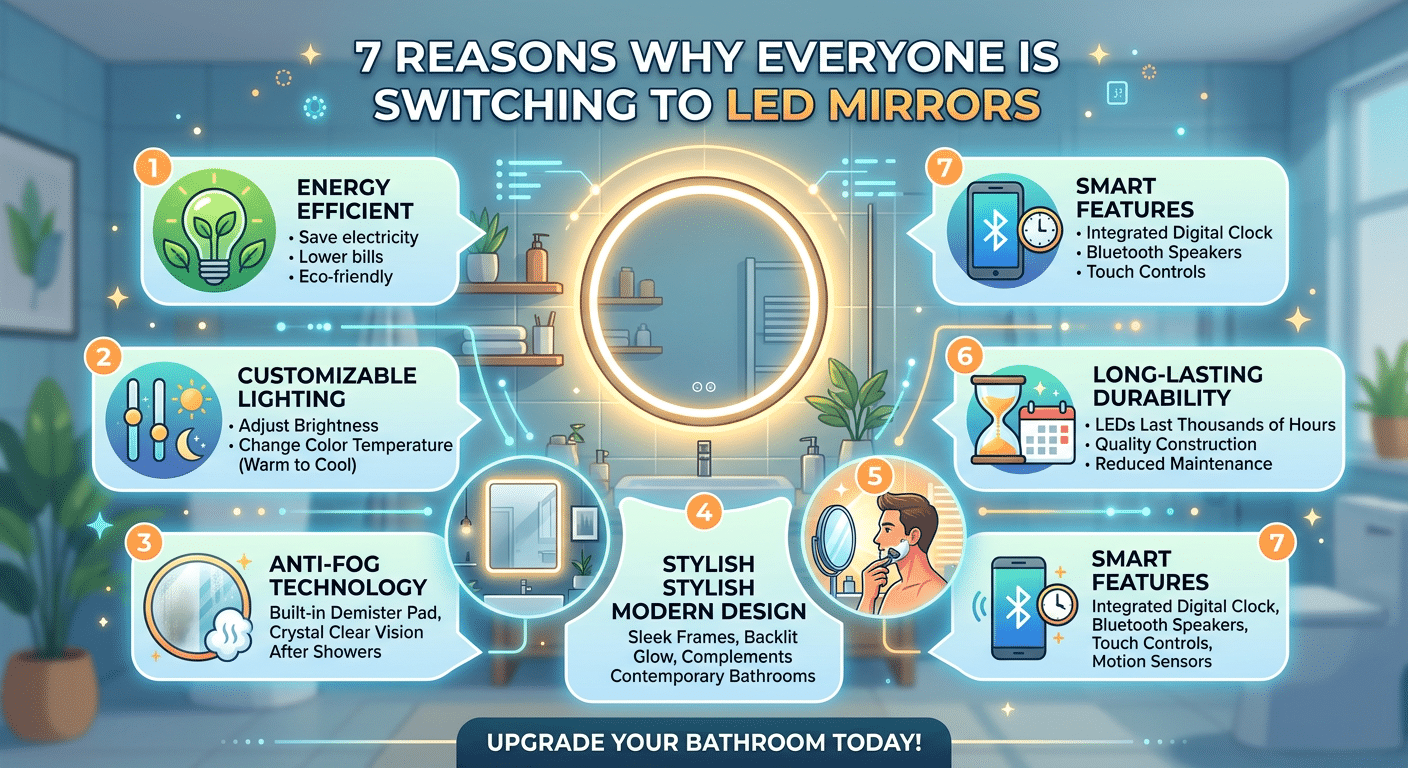
One of the main reasons people are switching to LED mirrors is their exceptional energy efficiency. LED lighting consumes significantly less electricity compared to traditional bulbs, making it an eco-friendly and cost-effective solution for everyday use. Over time, this reduction in energy consumption translates into noticeable savings on electricity bills, which is particularly appealing for households looking to manage expenses while adopting sustainable practices. The long lifespan of LED lights also means fewer replacements, further adding to their cost-effectiveness.
Superior Lighting for Everyday Tasks
LED mirrors provide bright, even illumination that enhances visibility and eliminates shadows. This makes them ideal for grooming activities such as shaving, skincare, and makeup application. Unlike traditional lighting setups that can create uneven or harsh lighting, LED mirrors offer consistent brightness that closely mimics natural light. This improved lighting quality not only makes daily tasks easier but also ensures more accurate results, which is especially important for personal care routines.
Modern and Stylish Design Appeal
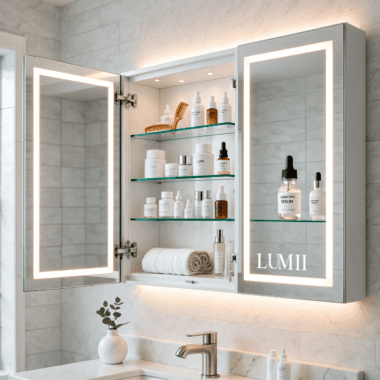
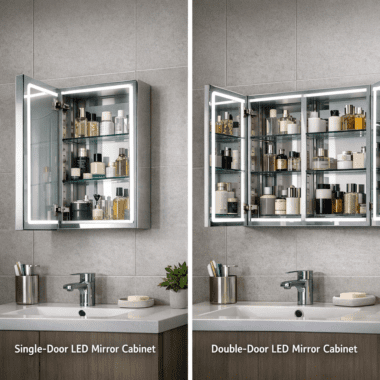
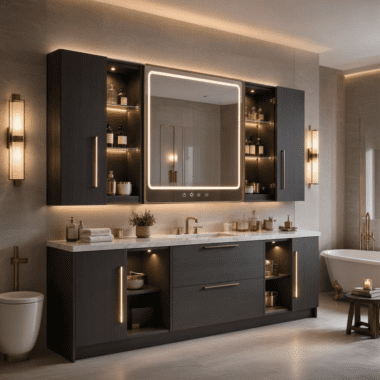
Another key reason for the growing popularity of LED mirrors is their sleek and contemporary design. These mirrors are available in a variety of styles, including frameless, backlit, and uniquely shaped options that complement modern interiors. Their clean lines and minimalist aesthetics add a touch of sophistication to any space, instantly upgrading the look of bathrooms, bedrooms, and even living areas. As interior design trends continue to favor simplicity and elegance, LED mirrors fit perfectly into this evolving aesthetic.
Smart Features for Enhanced Convenience
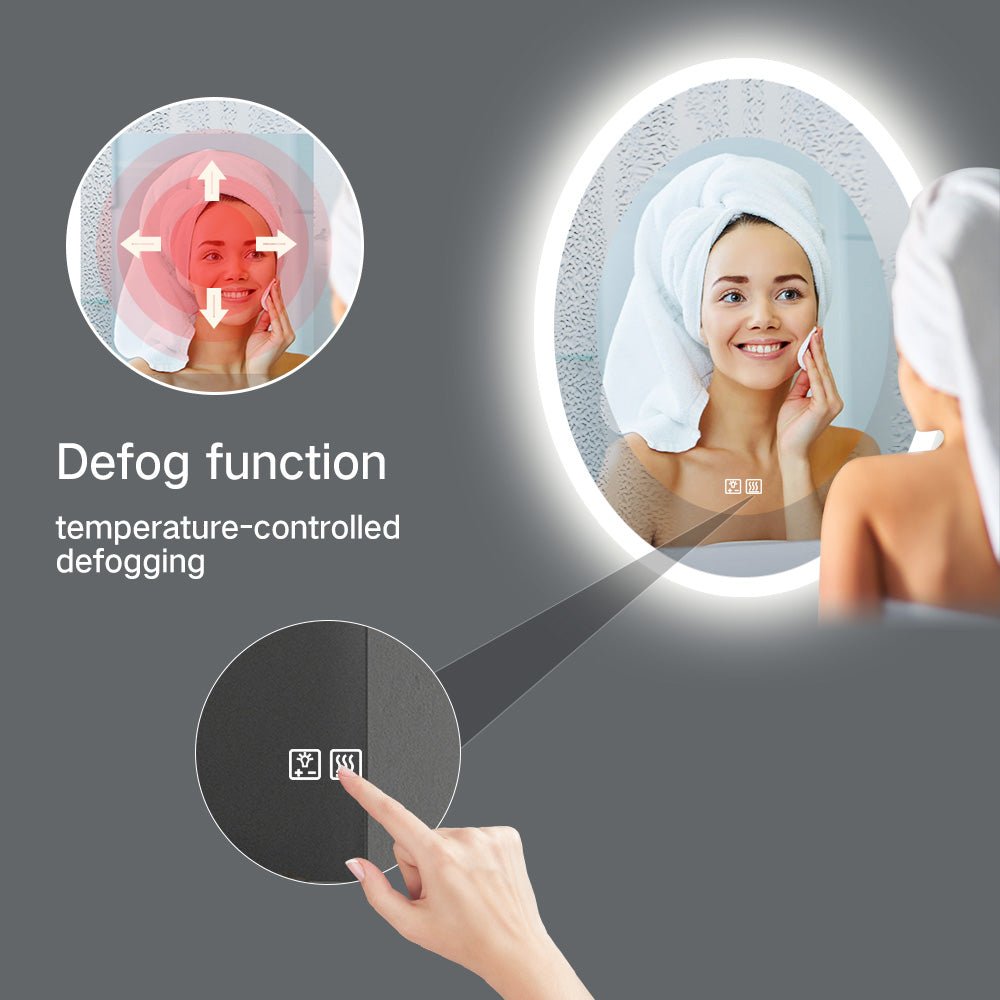
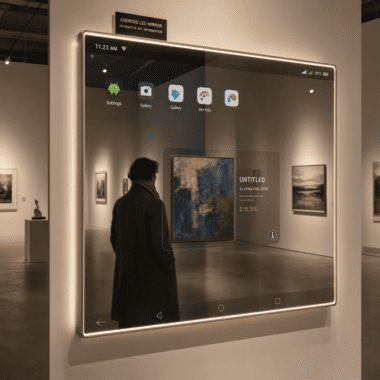
In 2026, LED mirrors are no longer just about lighting—they are becoming smart devices that enhance convenience and functionality. Many models come equipped with features such as touch sensors, dimmable lighting, anti-fog technology, and even Bluetooth connectivity. Some advanced versions can integrate with smart home systems, allowing users to control settings through voice commands or mobile apps. These features make LED mirrors more interactive and user-friendly, aligning with the growing demand for smart home solutions.
Space Enhancement and Visual Expansion
LED mirrors play a significant role in making spaces feel larger and more open. Their reflective surfaces combined with integrated lighting help distribute light more effectively, creating an illusion of depth and brightness. This is particularly beneficial in smaller rooms or apartments where maximizing space is a priority. By enhancing both natural and artificial light, LED mirrors contribute to a more spacious and inviting environment.
Low Maintenance and Long Lifespan
Durability and low maintenance are additional factors driving the shift toward LED mirrors. LED lights are known for their long lifespan, often lasting tens of thousands of hours without requiring replacement. This reduces the need for frequent maintenance, making them a convenient option for busy households. Additionally, LED mirrors are designed to be easy to clean and maintain, ensuring they remain functional and visually appealing over time.
Versatility Across Different Spaces
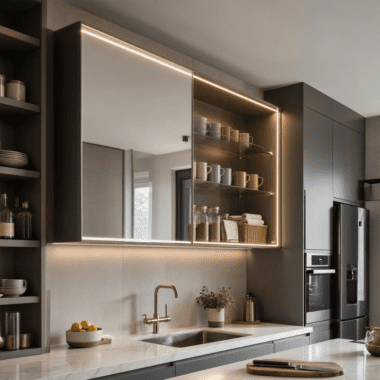
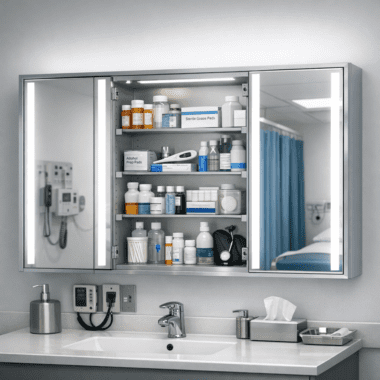
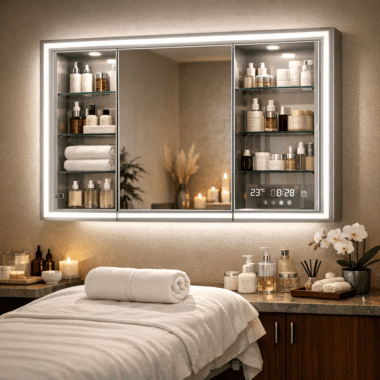
LED mirrors are highly versatile and can be used in various settings beyond the bathroom. They are increasingly being incorporated into bedrooms, dressing areas, living rooms, and even commercial spaces such as hotels and salons. This adaptability makes them a valuable addition to any environment, as they combine practicality with aesthetic appeal. Their ability to serve multiple purposes further explains why more people are choosing LED mirrors over traditional options.
Conclusion
The growing shift toward LED mirrors is a reflection of changing consumer preferences and advancements in design and technology. By offering energy efficiency, superior lighting, modern aesthetics, and smart features, LED mirrors provide a comprehensive solution that meets the needs of contemporary living. In 2026, they are no longer just a trend but a standard choice for those looking to enhance both functionality and style in their spaces. As more people recognize their benefits, LED mirrors are set to become an essential element in modern home design.