LED Mirror Myths Debunked: Separating Fact from Fiction on Heat, Glare & Cost
Walk into any modern bathroom or dressing space today, and you’ll likely spot a sleek, glowing LED mirror stealing the show. Yet despite their growing popularity, several LED mirror myths still hold homeowners back.
Do LED mirrors overheat?
Are they too harsh on the eyes?
Are they expensive to run?
In this guide, we’re breaking down the biggest misconceptions around LED mirrors—especially regarding heat, glare, and cost—so you can make an informed, confident decision for your home.
Understanding LED Mirror Myths: Why the Confusion Exists
LED mirrors combine two powerful design elements—light and reflection. Because they integrate lighting technology directly into the mirror structure, many assume they behave like traditional bulbs behind glass.
But modern LED technology has evolved significantly. According to the U.S. Department of Energy, LED lighting uses at least 75% less energy and lasts up to 25 times longer than incandescent lighting. Yet outdated assumptions still shape consumer perceptions.
Let’s separate fact from fiction.
Myth #1: LED Mirrors Generate Too Much Heat
The Truth: LED Mirrors Produce Minimal Heat
One of the most common LED mirror myths is that they become dangerously hot. In reality:
- LEDs convert most energy into light—not heat.
- They operate at significantly lower temperatures than halogen or incandescent bulbs.
- High-quality LED mirrors are built with heat-dissipating backing and safe wiring systems.
Why This Matters for Your Bathroom
Bathrooms often have limited ventilation. A mirror that emits excessive heat would be impractical. Fortunately, modern LED mirrors are engineered for safe indoor use.
| Lighting Type | Heat Emission | Energy Efficiency | Lifespan |
|---|---|---|---|
| Incandescent Bulb | High | Low | ~1,000 hrs |
| Halogen | Moderate-High | Moderate | ~2,000 hrs |
| LED (Mirror) | Very Low | Very High | 25,000+ hrs |
If you’re exploring energy-efficient upgrades, you can browse our premium LED mirrors collection designed for both performance and safety.
Myth #2: LED Mirrors Cause Harsh Glare
The Truth: Quality LED Mirrors Are Designed to Reduce Glare
Another widespread LED mirror myth is that the light is too sharp or blinding. That may have been true for early LED products—but not anymore.
Modern LED mirrors use:
- Frosted diffusers
- Backlit panels
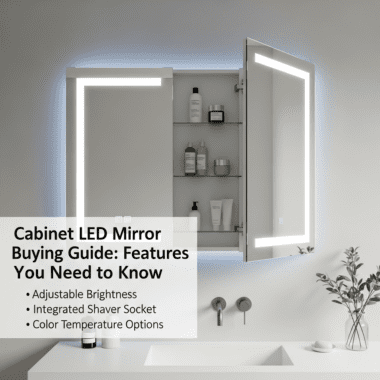
- Adjustable brightness settings
- Warm, neutral, and cool tone options
Instead of glaring light, you get balanced, shadow-free illumination—ideal for grooming, skincare, and makeup.
The ArchDaily design platform frequently highlights layered lighting as a key principle in modern interiors. LED mirrors support this concept by offering soft, evenly distributed ambient lighting.
Tip: Choose the Right Color Temperature
- Warm White (3000K): Relaxing, spa-like vibe
- Neutral White (4000K): Natural daylight effect
- Cool White (6000K): Crisp task lighting
If you’re redesigning your bathroom, pairing an LED mirror with proper ambient lighting creates depth and comfort. You can also learn more about ambient lighting in our lighting guide on LED Mirror.in.
Myth #3: LED Mirrors Are Expensive to Install and Run
The Truth: They Save Money Long-Term
Yes, LED mirrors may cost more upfront compared to standard mirrors. But here’s where the myth collapses:
- Lower electricity bills
- Minimal bulb replacements
- Longer lifespan
- Multi-functionality (mirror + light in one fixture)
Instead of buying a mirror and separate wall sconces, an LED mirror simplifies the setup.
Cost Comparison Snapshot
| Feature | Traditional Mirror + Lights | LED Mirror |
|---|---|---|
| Separate Fixtures Needed | Yes | No |
| Energy Consumption | Higher | Lower |
| Maintenance Cost | Frequent Bulb Changes | Minimal |
| Design Appeal | Standard | Premium & Modern |
When viewed as a long-term investment, LED mirrors often turn out to be more economical.
If you’re looking to upgrade your interiors beyond bathrooms, you can also explore our collection of decorative wall mirrors to enhance living rooms and entryways.
Myth #4: LED Mirrors Are Only for Modern Homes
The Truth: They Fit Every Design Style
Another overlooked LED mirror myth is that they only suit ultra-modern interiors.
In reality, LED mirrors now come in:
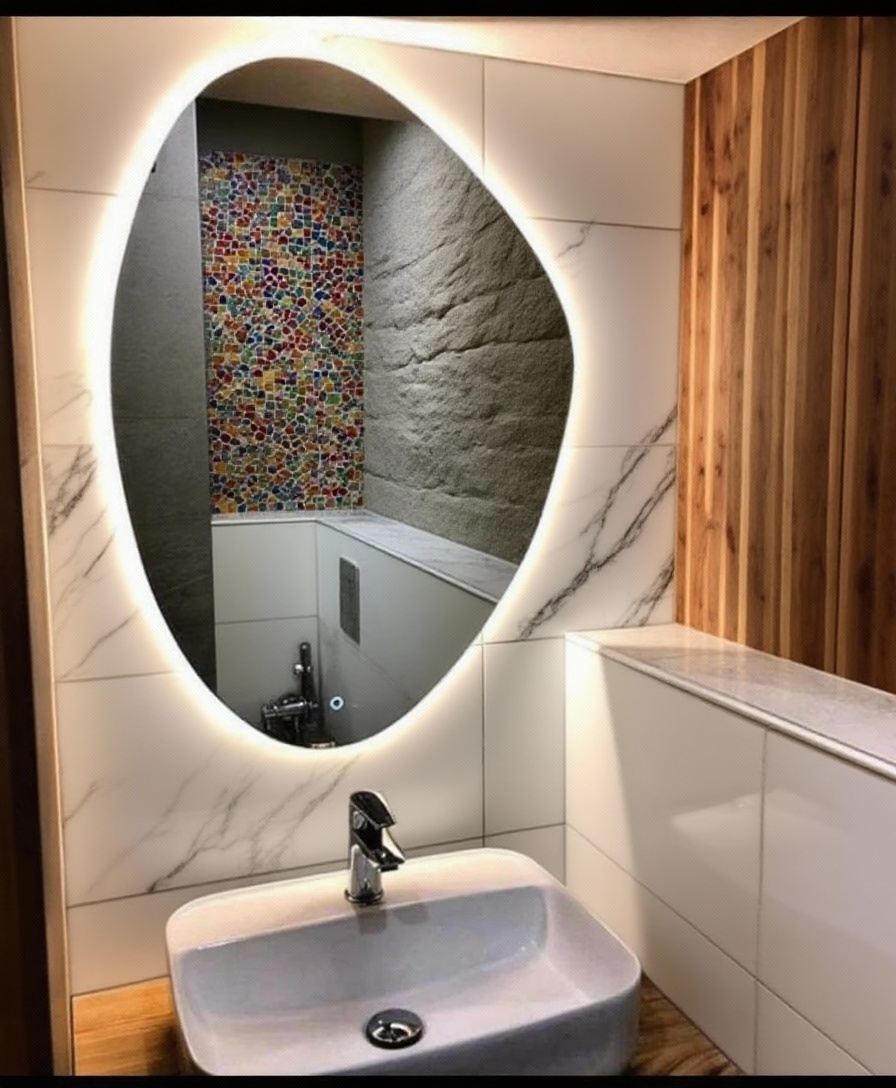
- Round and oval shapes
- Minimal frameless designs
- Gold and matte black frames
- Smart mirrors with touch controls
Whether your style leans toward contemporary, luxury, or transitional, there’s an LED mirror that blends seamlessly.
Design today is about functional beauty—and LED mirrors embody both.
The Real Benefits of LED Mirrors
Now that we’ve addressed the major LED mirror myths, here’s what you actually gain:
✔ Energy efficiency
✔ Long lifespan
✔ Even, shadow-free lighting
✔ Sleek, space-enhancing design
✔ Lower maintenance
✔ Increased property value appeal
They don’t just reflect your image—they elevate your entire space.
Final Thoughts: Should You Believe the Myths?
When it comes to LED mirror myths, most fears stem from outdated lighting technology or low-quality products. Modern LED mirrors are safe, energy-efficient, glare-controlled, and cost-effective.
If you’re aiming to create a bathroom or dressing area that feels brighter, larger, and more refined, an LED mirror is not just a trend—it’s a smart design decision.
At LED Mirror.in, we believe the right mirror doesn’t just hang on a wall—it transforms the way light moves through your space. And when light is used beautifully, every room feels extraordinary.