Introduction
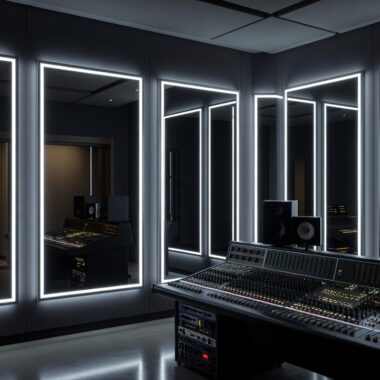
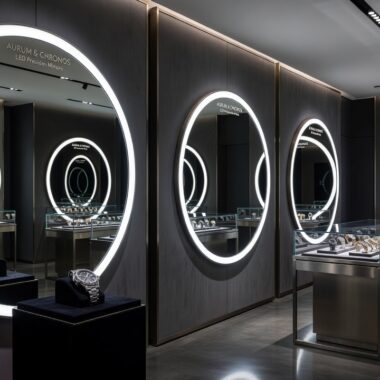
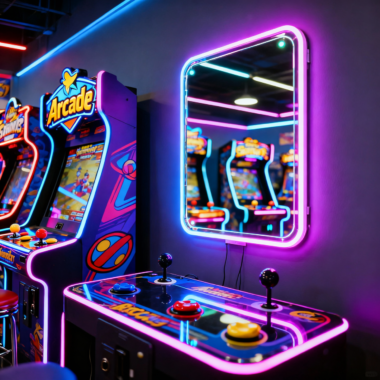
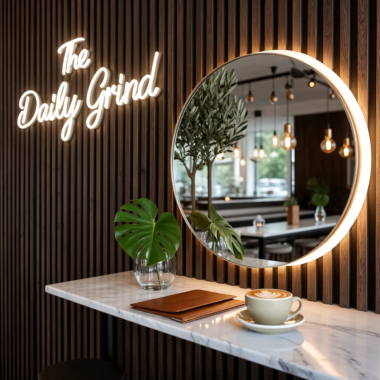
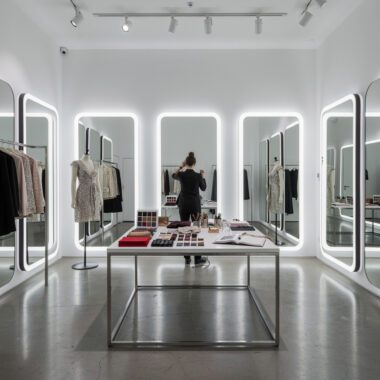
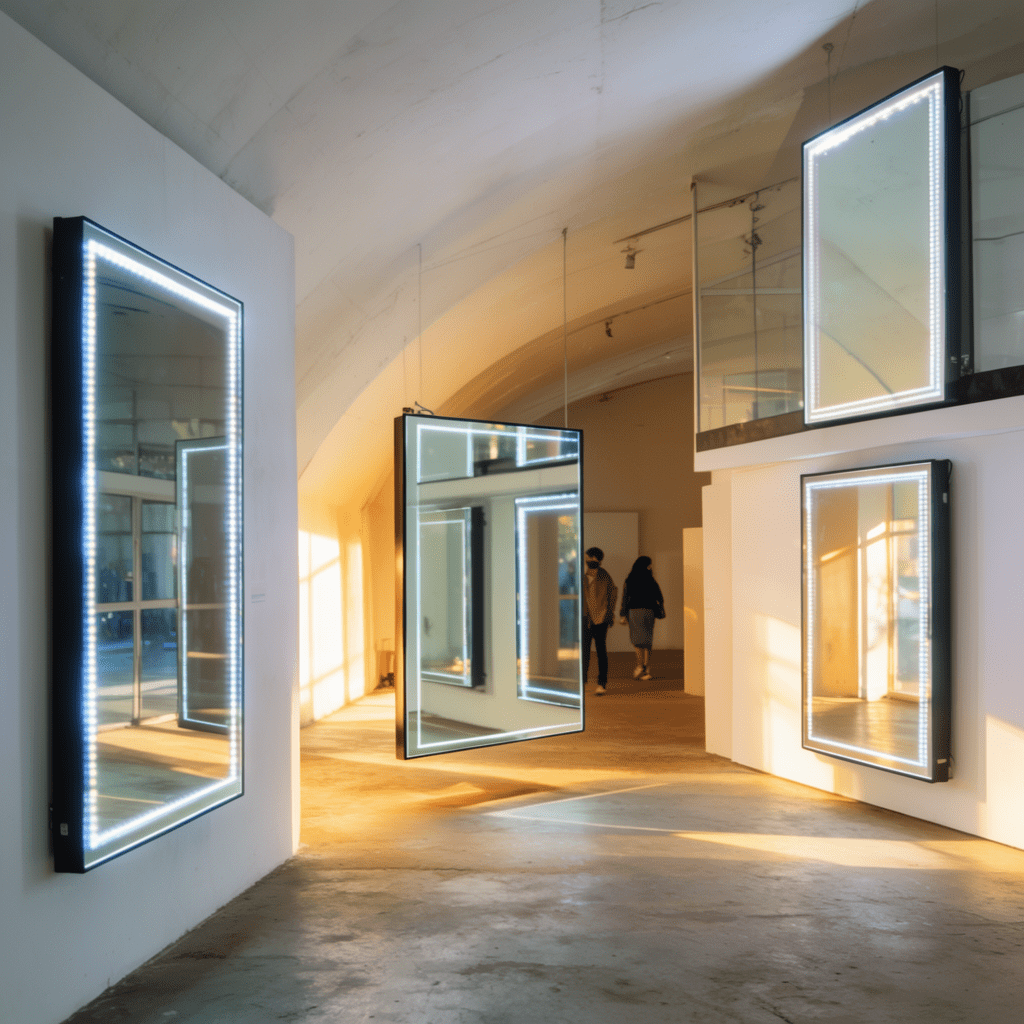
Art galleries are spaces where creativity, culture, and visual storytelling come together to inspire visitors. Whether showcasing paintings, sculptures, photography, digital art, or mixed-media installations, galleries are carefully designed to highlight every detail of each artwork while creating a comfortable and engaging viewing experience. Lighting, architecture, and interior design all play essential roles in shaping how visitors interact with exhibitions. Among the innovative design elements gaining popularity in contemporary galleries, LED mirrors offer a unique combination of sophisticated aesthetics and practical functionality. By enhancing lighting, creating visual depth, and complementing modern exhibition spaces, LED mirrors help art galleries deliver unforgettable artistic experiences.
The Importance of Gallery Design
The design of an art gallery influences how visitors perceive both the artwork and the overall exhibition. Clean layouts, balanced lighting, and thoughtfully selected decorative elements help create an environment where art remains the central focus. Every design decision contributes to the visitor’s emotional connection with the exhibition. LED mirrors complement gallery interiors by adding elegance without distracting from the displayed collections.
Creating a Memorable Entrance
The entrance to an art gallery introduces visitors to the creative experience ahead. LED mirrors positioned in reception areas or entrance halls create a sophisticated first impression by adding soft illumination and contemporary style. Their elegant appearance welcomes guests while establishing an atmosphere that reflects professionalism, creativity, and attention to detail.
Enhancing Gallery Lighting
Lighting is one of the most critical elements in any exhibition space. Proper illumination allows visitors to appreciate colors, textures, brushstrokes, and intricate artistic details without distortion. LED mirrors help distribute both natural and artificial light throughout the gallery by reflecting surrounding illumination. This creates a brighter and more balanced environment that supports artwork presentation while maintaining visual comfort.
Creating a Sense of Spaciousness
Many galleries feature compact exhibition rooms where maximizing the perception of space is important. LED mirrors create the illusion of larger interiors by reflecting architectural features, lighting, and surrounding displays. This visual expansion allows visitors to move comfortably through exhibitions while creating a more open and inviting atmosphere.
Complementing Contemporary Gallery Architecture
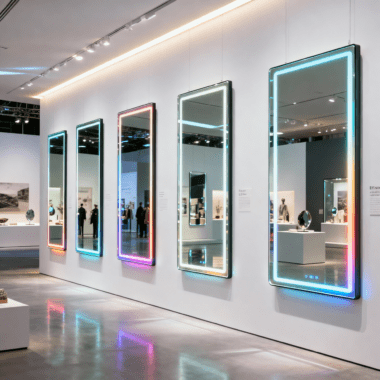
Modern art galleries often feature minimalist interiors with clean lines, neutral color palettes, and carefully controlled lighting systems. LED mirrors integrate seamlessly into these spaces through their simple designs and refined illumination. Their understated elegance complements contemporary architecture while maintaining the gallery’s focus on artistic expression.
Supporting Interactive Art Installations
Many contemporary exhibitions include immersive and interactive installations that encourage visitor participation. LED mirrors can become part of these creative displays by enhancing reflections, expanding visual perspectives, and adding dynamic lighting effects. Their versatility allows artists and curators to develop engaging exhibition experiences that encourage exploration and interaction.
Enhancing Sculpture and Three-Dimensional Displays
Sculptures and three-dimensional artworks benefit from thoughtful lighting and spatial presentation. LED mirrors can enhance these displays by reflecting multiple viewing angles and increasing the visual impact of the artwork. This creates a richer experience for visitors while helping highlight the craftsmanship and detail of each piece.
Improving Photography and Exhibition Documentation
Art galleries frequently photograph exhibitions for promotional materials, catalogs, websites, and social media. LED mirrors contribute to professional-quality imagery by improving lighting conditions and creating visually appealing exhibition environments. Their elegant appearance enhances the overall presentation while supporting effective documentation of gallery events.
Creating Social Media-Friendly Spaces
Visitors increasingly enjoy sharing memorable gallery experiences on social media platforms. LED mirrors can become attractive architectural features that encourage photography without overshadowing the artwork itself. Their subtle illumination and contemporary style help create visually engaging spaces that increase online exposure for exhibitions and cultural institutions.
Strengthening Gallery Identity
Every gallery develops its own artistic identity through exhibition themes, architecture, and interior design. LED mirrors support this identity by contributing to sophisticated environments that reflect innovation and creativity. Whether the gallery focuses on classical art, contemporary works, photography, or multimedia exhibitions, LED mirrors enhance the overall visitor experience while reinforcing the institution’s unique character.
Energy Efficiency and Sustainability
Many galleries prioritize sustainable design practices alongside exceptional visitor experiences. LED technology is known for its energy efficiency, low heat generation, and long operational lifespan. LED mirrors consume less electricity than traditional lighting solutions while providing consistent illumination, making them a practical and environmentally responsible choice for exhibition spaces.
Enhancing Visitor Comfort
A comfortable gallery environment encourages visitors to spend more time engaging with exhibitions. LED mirrors help create pleasant surroundings by improving lighting balance and making spaces feel brighter and more open. Their contribution to the overall ambiance supports relaxed viewing experiences that allow visitors to fully appreciate each artwork.
The Future of Art Gallery Design
As museums and galleries continue to embrace innovative exhibition concepts, interior design will play an increasingly important role in creating immersive cultural experiences. LED mirrors align perfectly with these evolving trends by offering elegant aesthetics, versatile functionality, and enhanced lighting that complements modern artistic presentations. Their growing popularity reflects the desire to combine technology, architecture, and creativity in meaningful ways.
Conclusion
LED mirrors are transforming art galleries by enhancing lighting, expanding visual space, and supporting contemporary exhibition design. Their ability to improve artwork presentation, complement architectural aesthetics, strengthen gallery branding, and create engaging visitor experiences makes them an excellent addition to modern cultural spaces. Whether installed in entrance halls, exhibition rooms, interactive installations, or feature walls, LED mirrors contribute to refined environments that celebrate creativity and artistic excellence. As galleries continue to evolve with new technologies and innovative exhibition formats, LED mirrors will remain an important element in creating inspiring and visually captivating spaces.